India’s Oil Tango: Navigating Between Russian Sanctions and New U.S. Trade Deals
🧐 Executive Summary
The geopolitical landscape of global oil trade is shifting as India faces pressure from the U.S. to cease Russian oil imports, opting instead for Venezuelan oil under a new trade deal. Despite this, the shadow fleet of tankers continues to supply Russian crude to India, underlining the complexities of enforcing sanctions. The French and British efforts mark the start of a more aggressive approach towards curtailing Russia’s shadow fleet activities.
📌 Key Takeaways
- India is under pressure from the U.S. to halt Russian oil imports as part of a new trade agreement, but practical enforcement remains challenging.
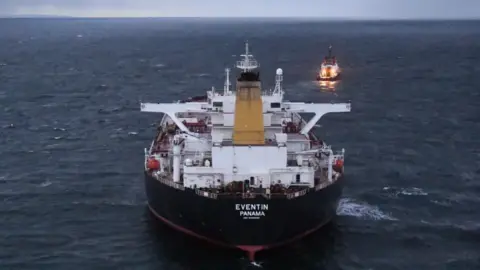
- The shadow fleet, consisting of approximately 1,400 vessels, continues to deliver sanctioned oil to India, defying international sanctions.
- French seizure of the Russian tanker Grinch indicates a new phase in EU-UK strategies to intercept Russian oil shipments and reduce Moscow’s revenues.
📉 Market Implications
For investors, the ongoing geopolitical tensions and enforcement challenges present both risks and opportunities in the oil market. While the U.S.-India trade deal could reshape oil supply chains, the resilience of the shadow fleet suggests that Russian oil exports may not decline significantly in the short term. Investors should monitor developments in enforcement actions and India’s response to the U.S. deal for potential impacts on oil prices and related stocks.